



Hammer Mill
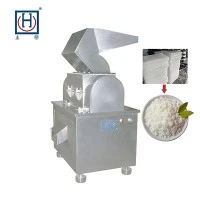
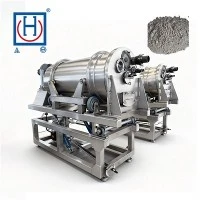
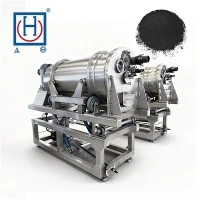
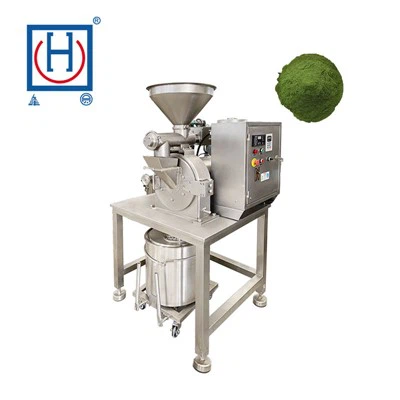
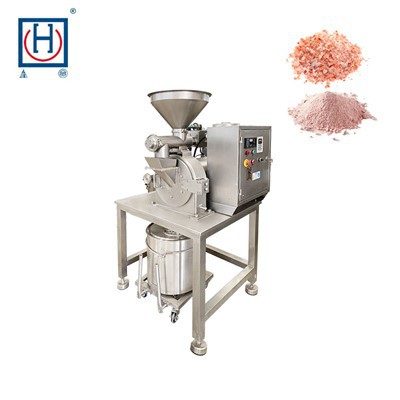
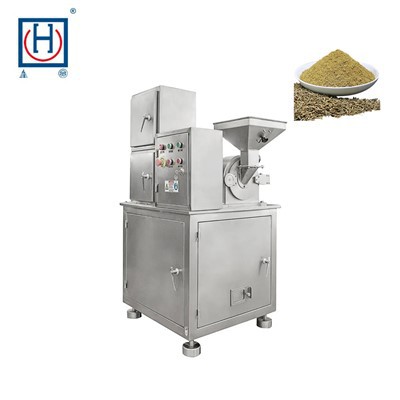
A hammer mill, also known as a pulverizer, is designed to mill, grind and crush material. These mills have been in use for much of human history and function by using hammer blows at high speed to grind material.
Advantages of Hammer Mill
Cost- efficiency
When it comes to running an industrial operation, saving money is a big deal, and that's where the hammer mill grinder really shines. It's all about efficiency. This machine can chew through materials in a flash, and it doesn't waste much either.
Energy efficiency
The hammer mill grinder is totally on board with this green trend. It's built to be super energy-efficient, which means it doesn't gobble up power like a hungry monster.You save money on energy bills and shrink your carbon footprint at the same time.
Particle size control
You can tweak the machine's settings to get exactly the particle size you want. Whether you're making flour, animal feed, or something else, this precision means your products come out consistent and top-notch every time.
Ease of use
Using a hammer mill grinder is pretty straightforward. Most of them come with controls that are easy to understand, so starting and stopping the machine is a breeze.You can adjust the rotor speed and the size of the screen openings. This makes it simple to adapt the machine to handle different materials and get the particle size you want. When you're feeding stuff into the grinder, it's important to keep a steady and controlled feed rate.




Why Choose Us

Factory
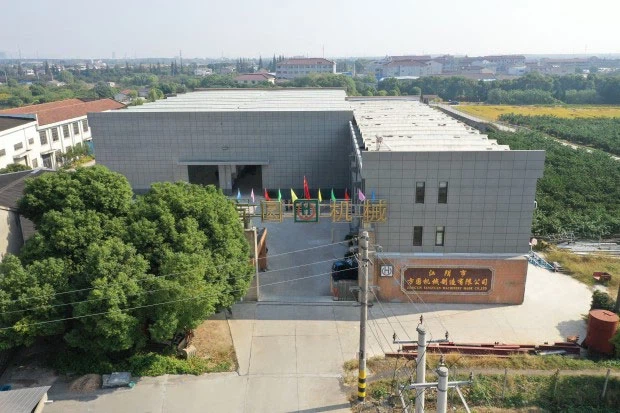
Our company covers an area of 15,000km2, including a building area of 6,000km2. We have more than 100 employees.
24h online service
We are happy to help our customers at any time as we have dedicated and hardworking service back end team working 24 hours.
Rich technical experience
Our staff are some of the most experienced in the industry, providing product-correct advice and solutions, ensuring we provide our customers with technical expertise and service.
Strict quality control
All machines undergo rigorous quality control at the factory to ensure that the quality of the machines we supply meets one of the highest standards.
Types of Hammer Mill
Pneumatic discharge hammer mills
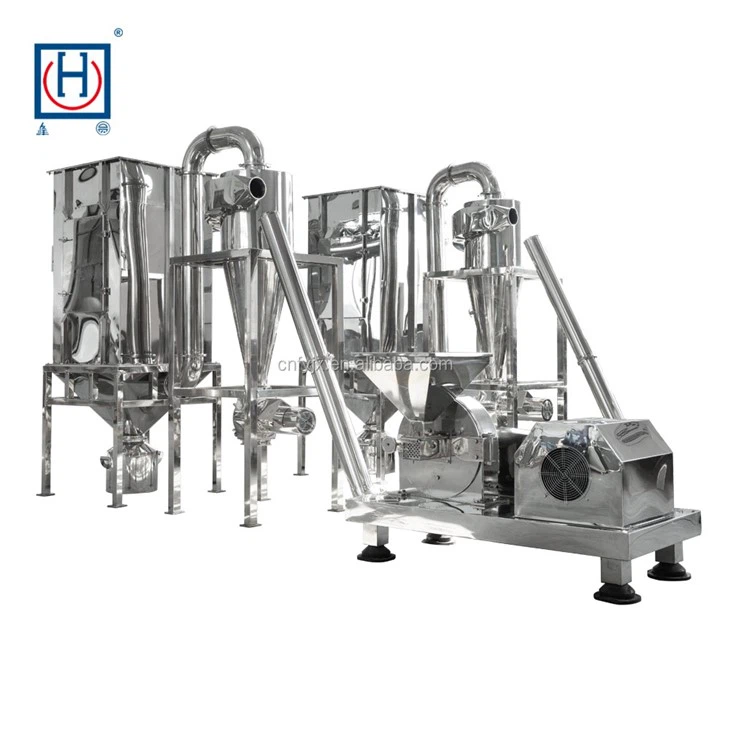
The chamber walls and hammers of a pneumatic discharge hammer mill is thin compared to gravity discharge mills, even though they have similar functions.Has a plate dashboard that helps with material size reduction, while the air evacuation process used for discharge helps enhance the overall output. This type of hammer mill is well-suited for lighter materials like paper, greenwood, biomass, etc.
Gravity discharge industrial hammer mills
This hammer mill makes use of swinging hammers, mounted on a shaft. The process of particle size reduction takes place by the hammering application, plus via the particle-on-particle force. The discharge in this mill is at the bottom, which is subjected to gravity. This is why it is called a bottom discharge or gravity discharge hammer mill. These machines are primarily used for crushing glass, ceramics, dry chemicals, etc.
Full circle screen hammer mills
These industrial hammers feature a 300-degree rotating screen that contributes to improving particle evacuation. They are best suitable for lightweight components that do not need initial grinding. These hammer mills are used for hammering spices, grasses, etc.
Horizontal in-feed hammer mills
Designed to insert materials from the side rather than the top, these mills have powerful functions and are therefore used for heavy particle grinding. These hammer mills feature trim scrap grinders and pallet grinders that help with hardcore industrial grinding.
Material of Hammer Mill
Hammer mills are made of cast iron and are fitted on a spindle shaft. This shaft revolves on roller bearings. The machine comprises of a number of beaters, which revolves at a very high speed in the grinding chamber.A hammer mill contains a cylindrical steel drum. Inside this drum, hammers are mounted on a vertical or horizontal shaft.
Application of Hammer Mill
Food product grinding
Food processing industries use hammer mills to grind various types of legumes, mainly soya, nutshells, groundnuts, and different types of beans. Hammer mills with low hammer blows are used to get rid of hard nutshells.
Powder production
Various types of hammer mills are used for powder making in the chemical and pharmaceutical industries. The required ingredients are crushed in hammer mills to obtain an intermediate grade of powder. The mills used for powder production cannot hammer any sticky materials because there are high chances of them getting stuck on the perforated screen.
Material size reduction
Hammer mills are used for micronization in pharmaceutical industries. The medical grains need to fit inside the capsule packaging in precise quantities. Thus, they are micronized by hammer mills before they are packaged.
Dissolution process
They are used for formulation and quick dissolution in the chemical,food,and pharmaceutical industries.The small sized particles dissolve faster during dissolution.Thus, hammer mills are utilized for fast formulation.
Improve activeness of an ingredient
Many ingredients can bring out active reactions when added to certain formulations. These ingredients are crushed slightly to improve their activeness.
Scrapping and recycling processes
They are used for scrapping purposes by the mechanical and automobile industry. Here, the irreparable overused automobile parts are scrapped by hammering, and the crushed metal is later sent for melting. New production and recycling can be carried out by using molten material.
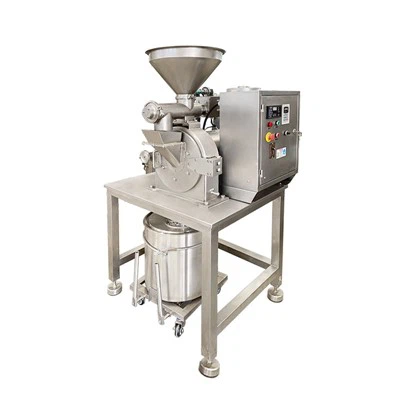
The operation of a hammer mill is simple. It has a cylindrical steel drum inside which hammers are mounted on a horizontal or vertical shaft. These hammers freely rotate around their axis. The material is fed in the drum, which when rotating causes the hammers to blow on the fed material. The ground material is shredded and made to pass through the screens of desired sizes, which are placed inside the drum. There are screenless hammer mills, which use air to separate large and small-sized particles.
These hammer mills serve as primary, secondary, or tertiary material crushers. The size and power capacity of hammer mills vary according to the application. The industrial hammer mills use the electric motors of power over 2000 to 5000 horsepower.

Components of Hammer Mill

Feed chute
The process starts with the feed chute, which feeds particles into the machine. Most hammer mills have gravity-fed chutes, but some have feed screws to provide more control over how much material goes into the grinding chamber.
Spinning drum
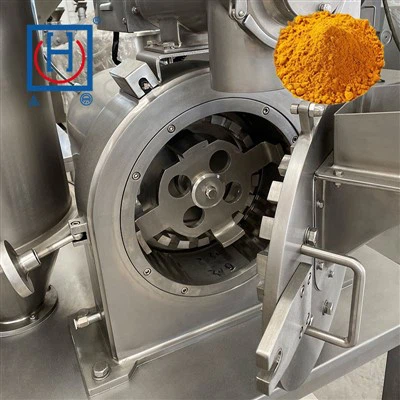
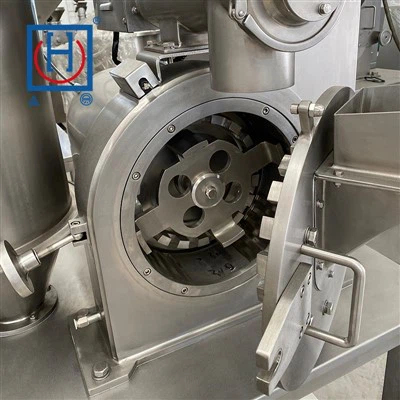
Inside the grinding chamber, multiple hammers are attached to a drum that spins. As the drum spins, the particles are crushed by repeated impacts with the hammers, walls and other particles.
Sifting screen
A screen at the bottom of the grinding chamber sifts through the pulverized particles. Pieces that are small enough get through, while larger particles keep going through the hammers.
Discharge chute
Particles that are the chosen size or smaller exit the machine through the discharge chute. Hard, heavy materials generally discharge using gravity, but lighter or less dense materials often require pneumatic suction.
How to Maintain Hammer Mill
Regular inspection
Conduct routine inspections of the hammer crusher to check for signs of wear, damage, or loose components.Look for cracks or wear on the hammers, rotor, and other critical parts.Ensure that all safety guards are in place and functioning correctly.
Lubrication
Proper lubrication is crucial for reducing friction and preventing excessive wear.Follow the manufacturer's recommendations for lubrication intervals and the type of lubricant to use.Regularly inspect oil or grease levels and top up as needed.
Tighten loose bolts and nuts
Check and tighten any loose bolts, nuts, or fasteners to prevent them from coming off during operation.
Monitor vibration and temperature
Regularly monitor the crusher's vibration levels and temperature during operation.Abnormal levels may indicate issues that need attention.
Clear blockages
If material becomes stuck in the crusher, stop the machine immediately and clear the blockage before resuming operation.Never attempt to clear blockages while the machine is running.
Keep the surrounding area clean
Ensure that the area around the crusher is clean and free of debris.Dust and debris can get inside the machine and affect its performance.
Certifications
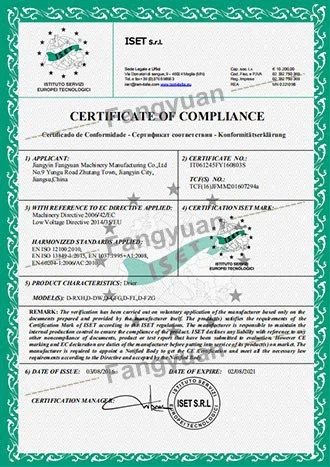
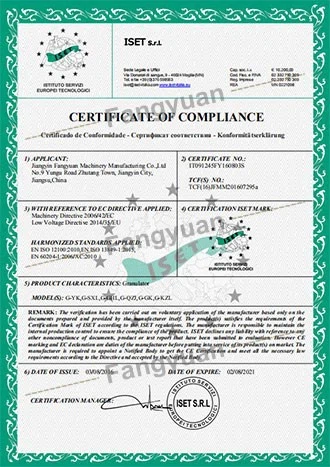
With rich experiences and consistent quality,kept qualifying the Chinese Enterprise with "AAA" credit rating and contract compliance, passed ISO9002 in 2003 got CE certificated in 2010, always led the powder and granules equipment market with dozens of patents.



Our Factory
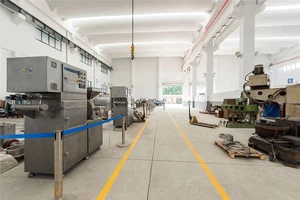
Our company covers an area of 15,000km2, including a building area of 6,000km2. We have more than 100 employees.

FAQ