

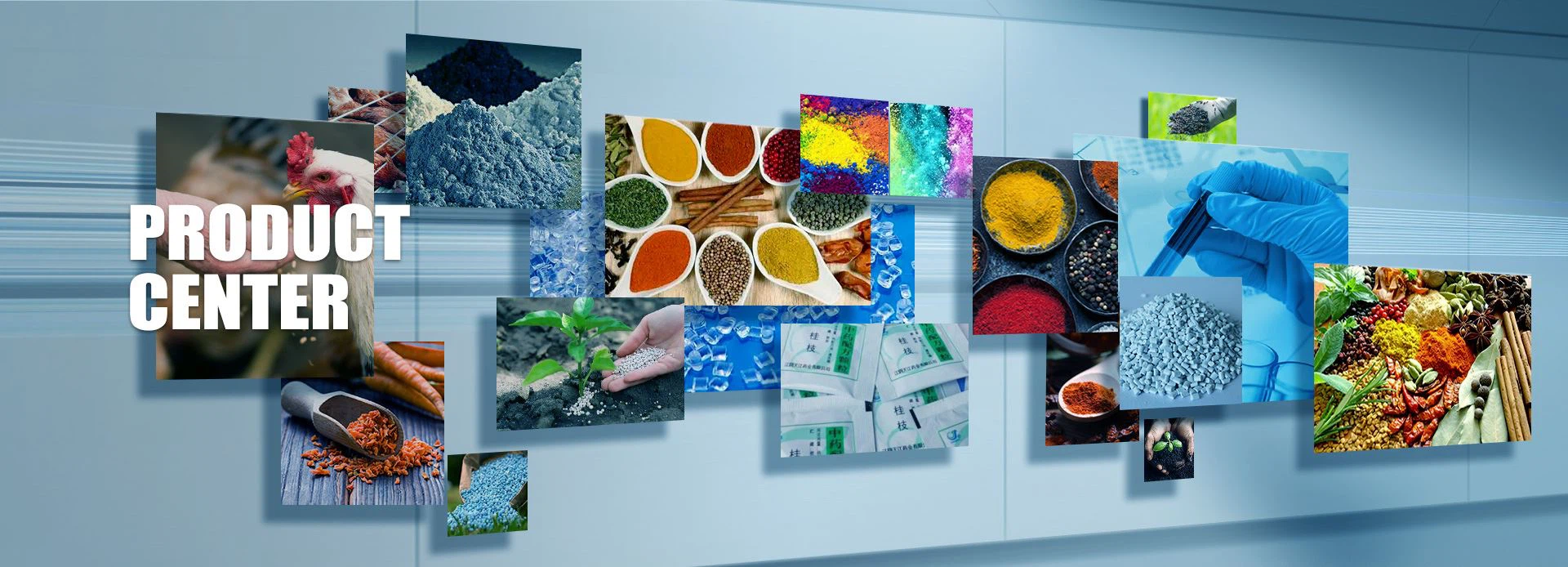
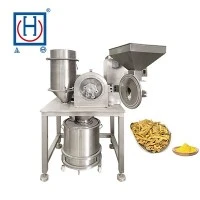
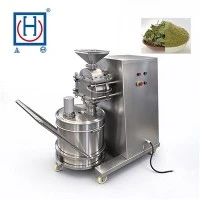
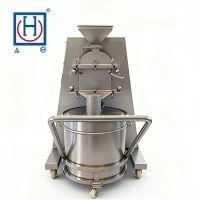
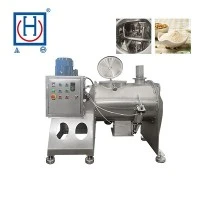
Pin Mill
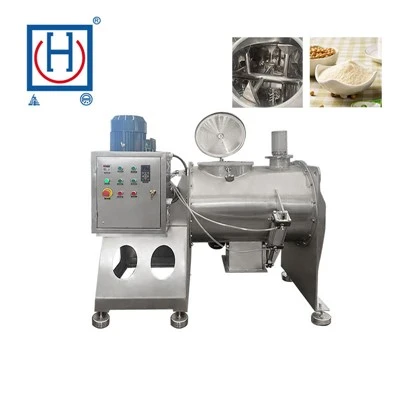
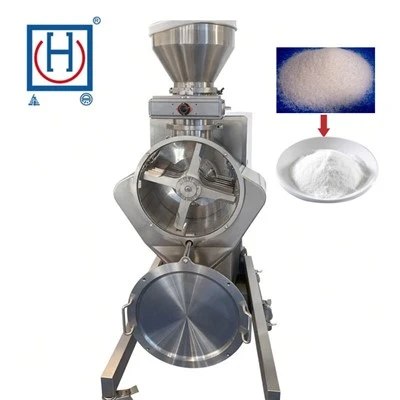
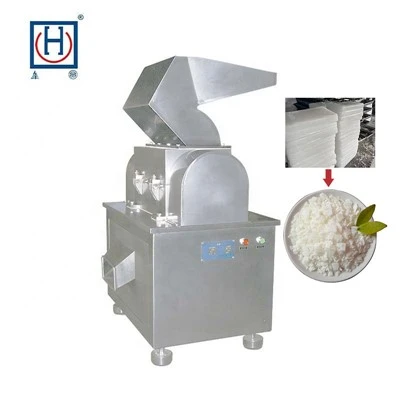
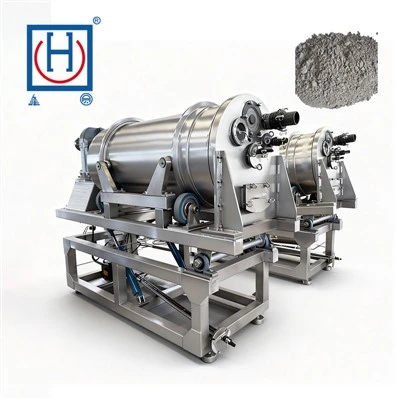
Pin mill is a mill that comminutes materials by the action of pins that repeatedly move past each other. Much like a kitchen blender, it breaks up substances through repeated impact. The mill is a type of vertical shaft impactor mill and consists of two rotating discs with pins embedded on one face. The discs are arrayed parallel to each other so that the pins of one disk face those of the other. The substance to be homogenized is fed into the space between the disks and either one or both disks are rotated at high speeds.
Advantages of Pin Mill
Versatile grinding capabilities
Pin mills are renowned for their ability to handle a diverse range of materials, including fragile and heat-sensitive substances. Whether you're grinding powders, crystals, or granules, pin mills offer exceptional versatility and consistent results.
Efficient particle size reduction
With their unique design and high-speed rotating pins, pin mills efficiently reduce particle size to the desired range. This uniform size reduction enhances product quality, increases surface area, and improves overall processing efficiency.
Customizable performance
Pin mills offer adjustable settings, allowing operators to fine-tune parameters such as speed, feed rate, and screen size. This flexibility enables precise control over particle size distribution and desired output, ensuring optimal results for different applications.
Gentle and heat-sensitive processing
Unlike some grinding methods, pin mills operate at lower temperatures, making them ideal for processing heat-sensitive materials. The gentle grinding action minimizes heat generation and preserves the integrity of thermally delicate substances.


Why Choose Us

Factory
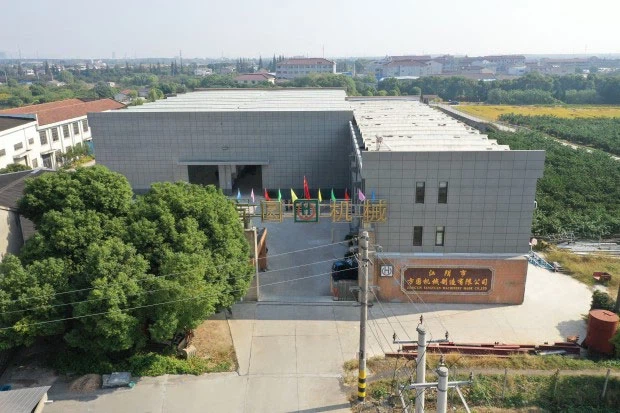
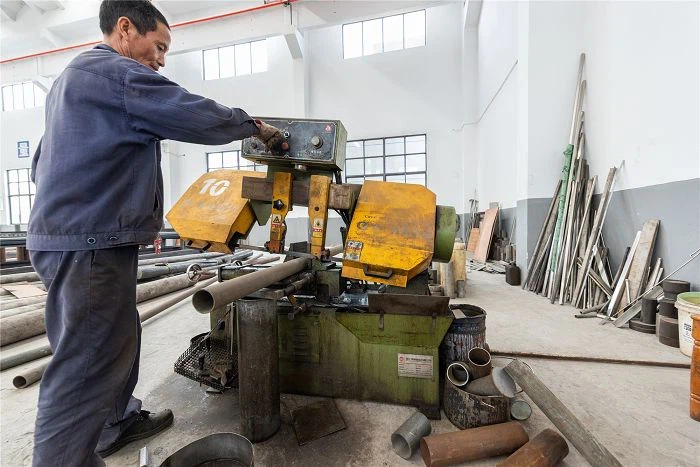
Our company covers an area of 15,000km2, including a building area of 6,000km2. We have more than 100 employees.

24h online service
We are happy to help our customers at any time as we have dedicated and hardworking service back end team working 24 hours.

Rich technical experience
Our staff are some of the most experienced in the industry, providing product-correct advice and solutions, ensuring we provide our customers with technical expertise and service.

Strict quality control
All machines undergo rigorous quality control at the factory to ensure that the quality of the machines we supply meets one of the highest standards.
Types of Pin Mill
Cyclone pin mill
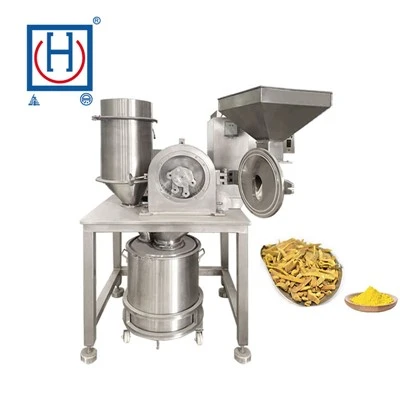
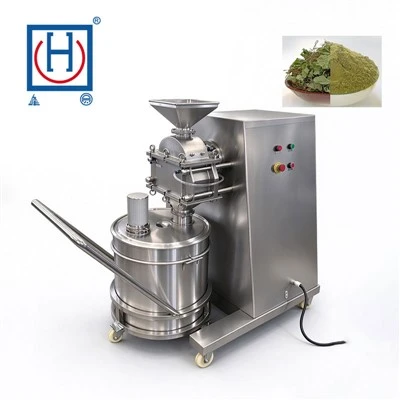
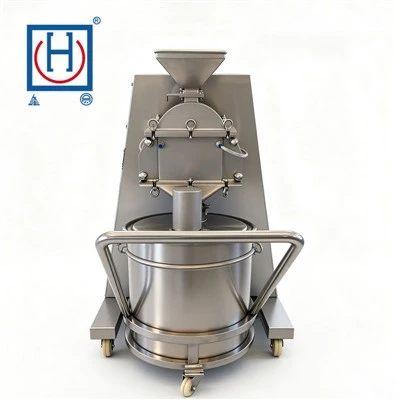
In some pin mills that produce soft powder, an air separator such as a bag filter or cyclone is used, which absorbs the powdered material and removes it uniformly from the machine. A pin mill with a cyclone or bag filter greatly improves product quality and reduces the impact of chemical and environmental factors on the product.
Pin mill without mesh
Some pin mills are designed and made without mesh. In this model of pin mill mills, many pins are used which are compact and intermingled and hit the material at high speed. As a result, the materials are more powdered and come out of the machine almost uniformly and do not need a net on the way out. The pin mill without mesh has the ability to grind wet and sticky materials without clogging or disrupting the operation of the device.
Material of Pin Mill
Available in carbon steel, and stainless steel to industrial or sanitary/pharmaceutical standards, it is offered with discs in diameters of 8, 18, 24 and 34 in. (203, 457, 610 and 864 mm) and motors from 5 to 125 hp (4 to 93 kw).
Application of Pin Mill
Food and beverage industry
Pin mills find extensive use in the food and beverage industry. From grinding spices and herbs to milling grains and reducing sugar particles, pin mills deliver consistent results, meeting the stringent quality standards of the industry.
Pharmaceutical and chemical industry
In pharmaceutical and chemical manufacturing, pin mills are indispensable for size reduction and controlled particle distribution. They excel in grinding active pharmaceutical ingredients (APIs), excipients, dyes, and pigments, ensuring uniform blending and enhanced product performance.
Cosmetics and personal care products
Pin mills play a vital role in the production of cosmetics and personal care items. Whether it's milling powders for face powders, grinding pigments for lipstick formulation, or reducing particles in lotions and creams, pin mills offer precise and efficient processing for improved product quality.
Minerals and mining
Pin mills are also widely used in the minerals and mining industry. They effectively grind minerals, ores, and aggregates, enabling better extraction and processing of valuable minerals. Pin mills are particularly valuable for applications that require fine grinding, such as in the production of mineral fillers and pigments.

Components of Pin Mill
Hopper: The materials are stored in the hopper or the holding chamber, which is conical in shape, to enter the mill when the inlet valve is opened.
Screw feeder: Materials are usually directed to the mill tank with the help of a metal screw or spiral.
Magnet: Sometimes a magnet is placed in the material inlet to prevent iron parts and scraps from entering the chamber.
Discs: The pin mill has two discs, one of which is usually fixed and installed on the mill door, and the other is movable and installed on a rotor that rotates with power.
Pins: Pins are steel parts that are mounted on discs and rotate with the disc and grind the material.
Rotor: The rotor is responsible for rotating the disk with the help of the shaft in the pin mill.
Air Separator: In order to micronize the materials and turn them into very soft powders, the pin mill needs an air separator such as a cyclone or bag filter to absorb the powders and remove them from the machine.
Electric gearbox: The power produced by the electric motor is usually transferred to the rotor by the gearbox.
Mesh or sieve: If it is necessary to sieve the output material in some pin mill mills, a sieve or mesh is used so that the output product is poured on it and the larger sizes are separated and returned to the grinding chamber of the machine for re-grinding.
How Pin Mill Works
The way the universal grinding machine works is that the materials inside the hopper are poured into the grinding chamber through a screw feeder. This chamber is surrounded by two disks, one of which is fixed and the other one rotates at a low or high speed according to the amount of impact required, and the pins on the disks pass by each other and the material becomes powder.
The powdered materials, which are located in the outermost part of the disk due to the centrifugal force caused by the rotation of the rotor, fall from the edges of the disks and are discharged from the lower valve, or they are entered into a cyclone or filter bag by the suction of the fan. Cyclone shaft pin is absorbed by centrifugal force and filter bag pin shaft is absorbed with the help of filter bags and is uniformly removed from the device.

How Do I Choose a Pin Mill?
Check the arrangement and the number of pins
The count, number, and the overall arrangement of the pins in a pin mill are all essential in determining the finesse of the final products and particles.In addition to that, this number can also help you in determining how narrow the distribution will be, as well as decreasing the production and the distribution of heat to the final parts and components.
Operate the pin mill
Ease of operation should be at the top of your priority. As a matter of fact, all other things wouldn't be too necessary because if the pin mill is easy-to-operate, you'll never have a hard time on it.
Assess the pin mill based on the material you'll process
Check on the business sector or industry you're in and see if the type of pin mill is within its specifications.Are you working on crops, sugar, salt, and other types of food additives? Or are you working on chemical products?
Certifications
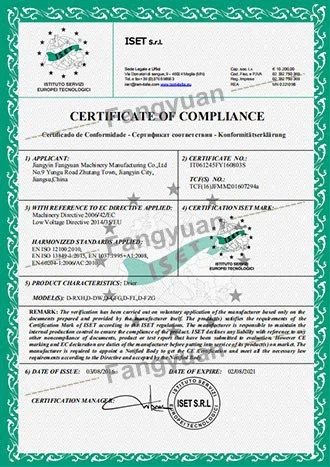
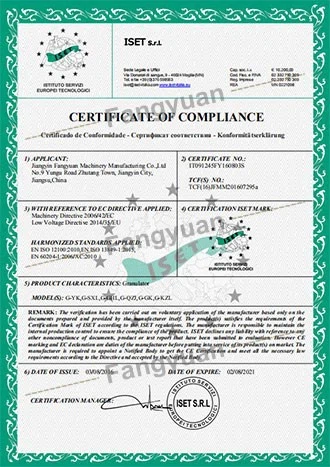
With rich experiences and consistent quality,kept qualifying the Chinese Enterprise with "AAA" credit rating and contract compliance, passed ISO9002 in 2003 got CE certificated in 2010, always led the powder and granules equipment market with dozens of patents.



Our Factory
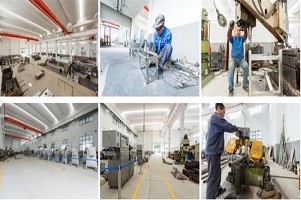
Our company covers an area of 15,000km2, including a building area of 6,000km2. We have more than 100 employees.

FAQ