


Roller Mill
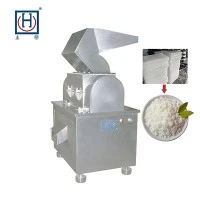
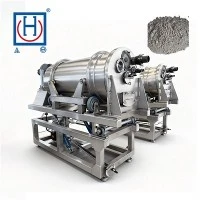
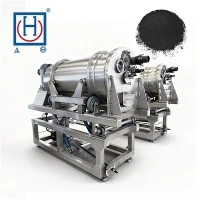
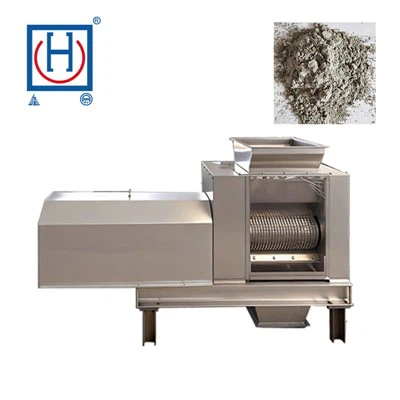
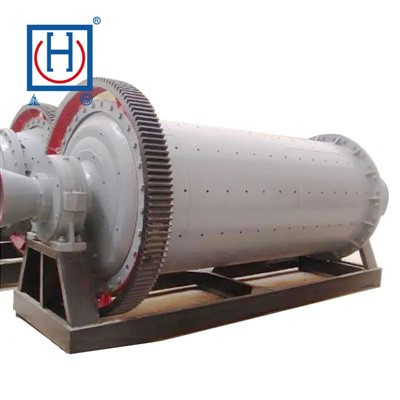
Roller mills are mills that use cylindrical rollers, either in opposing pairs or against flat plates, to crush or grind various materials, such as grain, ore, gravel, plastic, and others. Roller grain mills are an alternative to traditional millstone arrangements in gristmills. Roller mills for rock complement other types of mills, such as ball mills and hammermills, in such industries as the mining and processing of ore and construction aggregate; cement milling; and recycling.
Advantages of Roller Mill
High grinding efficiency
One mill can have different rollers arranged one after the other so that the grains fall from one to the other to achieve the required consistency quickly unlike in the hammer mills. This high efficiency in operation also makes the roller mills more energy efficient.
Low energy consumption
During operation, the roller mills are usually quiet and do not produce a lot of heat. The silence makes for a good work environment reducing fatigue and noise pollution. Increase in temperature of any machine during operation means there is loss of heat during operation. This is not the case with roller mills which further causes more power savings.
Consistent product size
Roller mills provide a consistent particle size distribution, which is important in the production of consistent high quality products.
Moisture content and drying capability
Roller mills have an inherent advantage in terms of their ability to handle materials with higher moisture content. They can operate with higher inlet air temperatures and have built-in drying capabilities, allowing for the direct grinding and drying of materials.





Why Choose Us

Factory
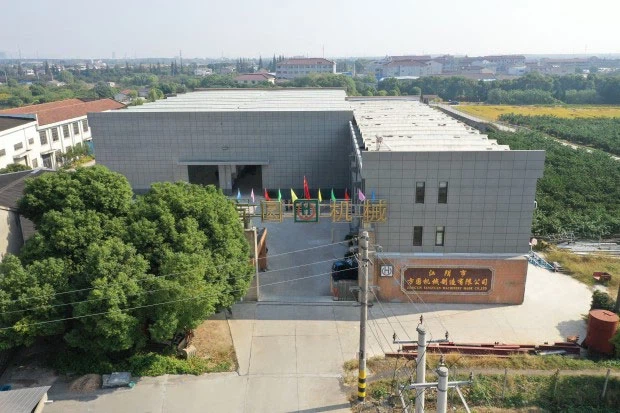
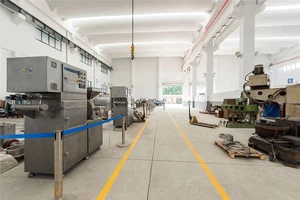
Our company covers an area of 15,000km2, including a building area of 6,000km2. We have more than 100 employees.
24h online service
We are happy to help our customers at any time as we have dedicated and hardworking service back end team working 24 hours.

Rich technical experience
Our staff are some of the most experienced in the industry, providing product-correct advice and solutions, ensuring we provide our customers with technical expertise and service.

Strict quality control
All machines undergo rigorous quality control at the factory to ensure that the quality of the machines we supply meets one of the highest standards.
Types of Roller Mill
Twin-roller mill
Twin-roller mills are the simplest variety in which the material is crushed between two rollers before continuing to its final destination. The operator can adjust the spacing between the two rollers. Thinner spacing often results in the material being crushed into smaller pieces.
Four-roller mill
A four-roller mill has two sets of rollers. When using a four-roller mill to grind grain, the grain first passes through a roller with a larger gap, which separates the seeds from the husk, without causing much damage to the husk, but leaving large particles behind. The flour is sifted from the broken grains, and the coarse grains and chaff are fed into a second set of rollers to further crush the grains without damaging the husks. Likewise, there are three-roller mills in which one roller is used twice.
Five-roller and six-roller mills
Six-roller mills have three sets of rollers. When using this type of mill on cereals, the rollers crush the entire grain, the yield of which is divided into three ways: the flour immediately comes out of the mill, the grits without husk enters the last roller, the chaff , which may still contain some seeds, go to the second set of rollers. The flour is output directly from the second drum, with the husks and any possible seeds still in it, and the shellless grits are directed into the last drum. Five-roller mills are six-roller mills in which one roller performs double duty.
Material of Roller Mill
The rolls typically have a cast-iron core with a 5⁄8- to 3⁄4- inch-thick outer layer made of alloy steel. The outer layer's surface is typically corrugated with grooves or other patterns, depending on the application. For some very fine size reduction applications, the roll surface is smooth.
Application of Roller Mill
Food industry
Roller mills find extensive use in the food industry for the processing of various food products. They are employed in flour mills for grinding wheat, corn, and other grains to produce flour of different grades. These mills are capable of achieving precise particle size distribution, which is crucial for ensuring the desired baking properties of the flour. Moreover, they are also used in the production of other food products such as rice flour, semolina, and maize meal.
Pharmaceutical industry
In the pharmaceutical industry, roller mills are utilized for grinding and milling of pharmaceutical ingredients. These mills are often employed in the production of powders and granules for tablets, capsules, and other dosage forms. The precise control over particle size distribution offered by these mills ensures uniformity and consistency in the final pharmaceutical products. Additionally, the gentle grinding action of the rollers minimizes the generation of heat, which is crucial for preserving the potency and stability of sensitive pharmaceutical compounds.
Chemical industry
Roller mills play a vital role in the chemical industry for the size reduction of various chemical substances. These mills are utilized in the production of pigments, dyes, and colorants, where achieving a consistent particle size is crucial for the desired color intensity and dispersion properties. They are also used in the grinding of chemicals for catalysts, polymers, and other specialty chemical products. The versatility of the roller mill allows for the processing of a wide range of chemical materials, from powders to fibrous substances.
Recycling industry
In the recycling industry, roller mills are used for the size reduction of various materials, including plastic, rubber, and paper. These mills can effectively process recyclable materials into fine powders or granules, which can be used as raw materials in the production of new products. The efficient grinding and milling action of these mills contribute to the recycling efforts by reducing the volume of waste and facilitating the reuse of materials.

Components of Roller Mill
Grinding table
The grinding table is the foundation of the entire machine. It is responsible for supporting the weight of the material being ground and the grinding force produced by the rollers. The table is made up of a series of segments that are bolted together, and it is usually made from cast iron.
Rollers
The rollers are the mostcomponent of the roller mill. They rotate around the grinding table, crushing and grinding the material into fine particles.The rollers are made from high-quality steel and are usually coated with a wear-resistant material to increase their lifespan.
Grinding rollers
The grinding rollers are a crucial part of the roller mill. They are responsible for crushing and grinding the material, and they are usually made from high-quality steel. The grinding rollers are also coated with a wear-resistant material to increase their lifespan.
Grinding table liners
The grinding table liners are a key component of the roller mill. They protect the grinding table from the abrasive forces of the material being ground and ensure that the grinding table maintains its shape. The liners are usually made from a wear-resistant material and are bolted onto the grinding table.
Classifier
The classifier is responsible for separating the ground material from the unground material. It is located above the grinding table and consists of a rotor with blades that rotate around a central shaft. The classifier can be adjusted to control the size of the particles produced by the mill.
Clean and lubricate regularly
Regular cleaning and lubrication are fundamental maintenance practices for a roller mill. After each use, remove any debris, metal shavings, or dust from the rollers, guides, and gears. This can be done using a brush or compressed air. Proper lubrication ensures smooth operation and minimizes friction, reducing wear and tear on the mill components.
Inspect and replace worn parts
Regular inspections are crucial to identify any worn or damaged parts that may affect the performance of your roller mill. Check the rollers, guides, and other components for signs of wear, such as cracks or uneven surfaces. If you notice any issues, promptly replace the worn parts to prevent further damage. Regularly inspecting and replacing worn parts ensures the mill operates smoothly and maintains consistent output quality.
Check alignment and leveling
Proper alignment and leveling are critical for the accurate and efficient operation of a roller mill. Check the alignment of the rollers and guides periodically to ensure they are parallel and properly adjusted. Misaligned rollers can lead to uneven material thickness and poor quality output. Use a leveling tool to check if the mill is positioned correctly, and make any necessary adjustments to ensure it is level.
Maintain electrical and control systems
Regularly inspect and clean the electrical connections, ensuring they are secure and free from corrosion. Check the control panels and switches for any signs of malfunction or loose wiring. If you notice any electrical issues, consult a qualified electrician to address them promptly. Proper maintenance of electrical and control systems helps ensure safe and reliable operation of the roller mill.
Certifications
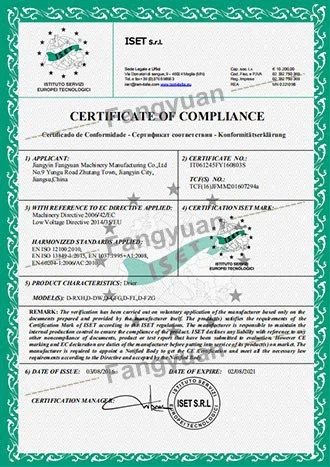
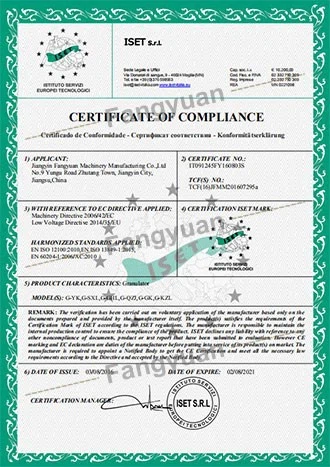
With rich experiences and consistent quality,kept qualifying the Chinese Enterprise with "AAA" credit rating and contract compliance, passed ISO9002 in 2003 got CE certificated in 2010, always led the powder and granules equipment market with dozens of patents.



Our Factory
Our company covers an area of 15,000km2, including a building area of 6,000km2. We have more than 100 employees.

FAQ