

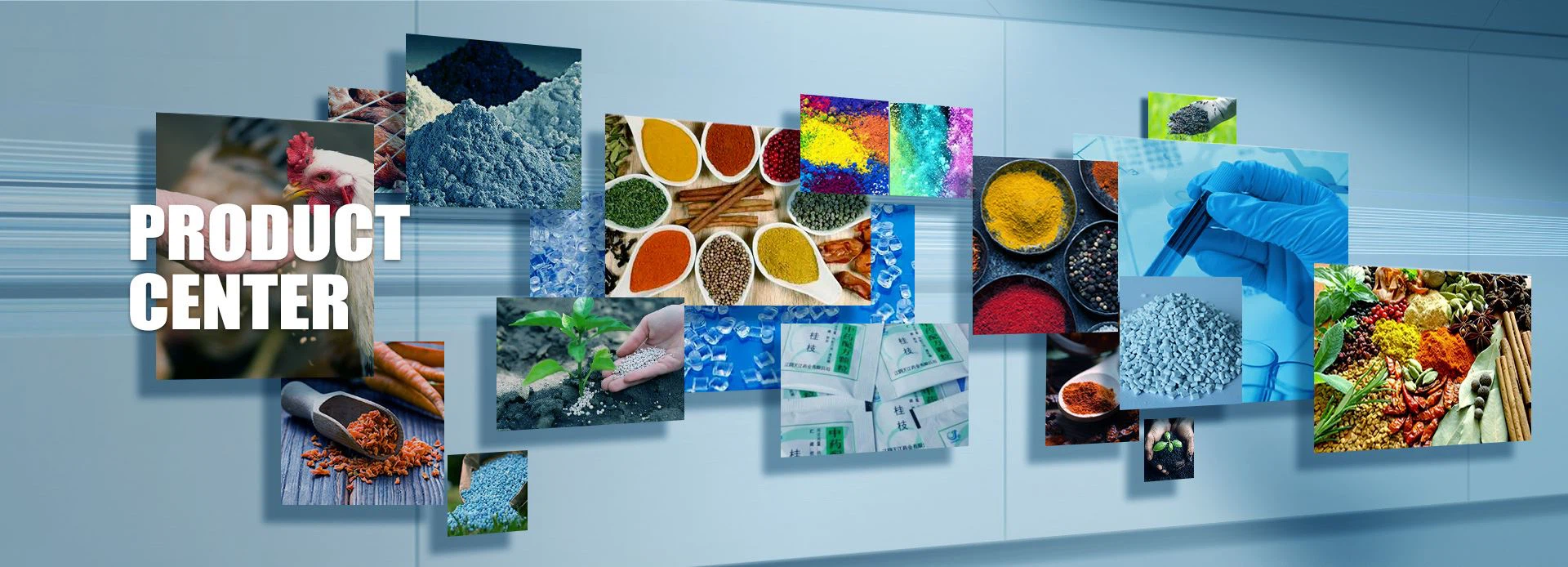
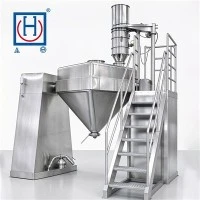
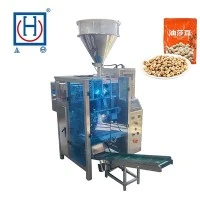
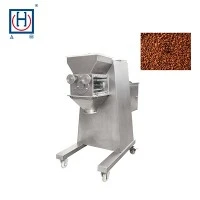


Industrial Blender Machine
Introduction
Industrial blender machines are vital components in numerous manufacturing and processing industries. These robust machines are designed to blend, mix, homogenize, or emulsify various materials to achieve uniformity and consistency in the final product.
Features
Versatility: Industrial blender machines are highly versatile and can handle a wide range of materials, including powders, granules, liquids, pastes, and viscous materials. This versatility makes them indispensable in industries such as food processing, pharmaceuticals, chemicals, cosmetics, and more.
Various Mixing Mechanisms: There are different types of industrial blender machines available, each employing specific mixing mechanisms tailored to different applications. Common mixing mechanisms include ribbon blending, paddle mixing, tumbling, high-shear mixing, and fluidization, among others.
Capacity and Scalability: Industrial blender machines come in various sizes and capacities to suit different production requirements. From small-scale laboratory mixers to large-scale production mixers capable of handling thousands of liters or tons of material, these machines can be scaled to meet specific needs.
Precision and Control: Modern industrial blender machines offer precise control over mixing parameters such as speed, mixing time, temperature, and shear force. This allows manufacturers to achieve consistent results and optimize the mixing process for efficiency and product quality.
Hygiene and Safety: In industries such as food processing and pharmaceuticals, hygiene and safety are paramount. Industrial blender machines are designed with features such as sanitary construction, easy-to-clean surfaces, and safety interlocks to ensure compliance with industry regulations and standards.
Application
Industrial blender machines find applications across a wide range of industries, including:
Food Processing: Mixing ingredients for baked goods, snacks, beverages, sauces, dressings, dairy products, and nutritional supplements.
Pharmaceuticals: Blending powders, granules, and excipients for tablet formulations, capsules, suspensions, and topical creams.
Chemicals: Mixing raw materials for paints, coatings, adhesives, fertilizers, pesticides, and specialty chemicals.
Cosmetics and Personal Care: Formulating creams, lotions, shampoos, conditioners, and other beauty and personal care products.
Plastics and Polymers: Homogenizing polymer resins, additives, colorants, and fillers for the production of plastics, composites, and rubber products.
Exhibition

Technical parameters
| Model | TH-SMJ-100 | TH-SMJ-300 | TH-SMJ-500 | TH-SMJ-1000 | TH-SMJ-1500 | TH-SMJ-2000 |
| Capacity | 280L | 480L | 700L | 1500L | 2100L | 3000L |
| Motor | 3Kw | 4Kw | 7.5Kw | 15Kw | 18.5Kw | 22Kw |
FAQ
1. Q: What types of materials can be blended using an industrial blender machine?
A: Industrial blender machines are versatile and can handle a wide range of materials, including food ingredients, pharmaceutical powders, chemicals, minerals, cosmetics, and more. These machines are designed to accommodate different viscosities, densities, and particle sizes.
2. Q: Where can I find spare parts or technical support for my industrial blender machine?
A: Manufacturers or authorized distributors typically provide spare parts, technical support, and servicing for industrial blender machines. Contacting the manufacturer or supplier directly is often the best way to obtain assistance or replacement parts.
3. Q:What's your warranty terms?
A: We offer different warranty time for different products. Please contact with us for detailed warranty terms.
Hot Tags: industrial blender machine, China industrial blender machine manufacturers, suppliers, factory, Dry Powder Mixer, Groove Powder Mixer, Additive Mixer, Spices Mixer, Drum Tumbler Mixer, 500L Stainless Steel Mixer
Previous
Stainless Steel Ribbon MixerYou Might Also Like


Send Inquiry