




Peanut Grinding Machine
Introduction
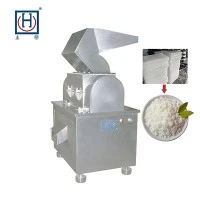
Peanut grinding machine, also known as a peanut butter machine or peanut paste grinder, is a specialized device designed for processing peanuts into various forms, primarily peanut butter or peanut paste. This machine is widely used in the food industry, particularly in the production of peanut-based products.The primary purpose of peanut grinding machine is to grind peanuts into a smooth and creamy paste or butter. It efficiently crushes and processes peanuts into a homogeneous consistency, ideal for culinary use or further processing.
Nutritional Content: Peanuts are highly nutritious, containing about 25% protein, 48% lipid, 21% carbohydrates, and various micronutrients. Peanut grinding machines play a crucial role in making these nutrients more accessible and palatable for consumption.

Functionality:
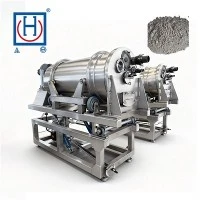
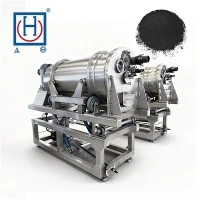
Peanut grinding machines typically consist of a grinding chamber, a motor, a feeding mechanism, and various controls. Peanuts are fed into the grinding chamber, where they come into contact with rotating blades or stones. The grinding action breaks down the peanuts into smaller particles, eventually transforming them into a smooth paste.
Working Principle:
Solar-Powered Peanut Grinding Machine: There's a project that aimed to design, develop, and install a solar-powered peanut grinding machine. This initiative likely sought to evaluate and improve upon existing designs in terms of design, construction, operation, and efficiency, potentially with an emphasis on sustainability by utilizing solar power.
Nutritional Content: Peanuts are highly nutritious, containing about 25% protein, 48% lipid, 21% carbohydrates, and various micronutrients. Grinding machines play a crucial role in making these nutrients more accessible and palatable for consumption.
Development and Installation Goals: The development of a solar-powered peanut grinding machine aims to replace conventional methods, possibly enhancing the sustainability and reducing the carbon footprint of peanut processing.
Operation of the Machine: A typical peanut grinding machine operates in two main steps: crushing and mixing. This process transforms raw peanuts into a smooth, spreadable butter or fine powder.
Features and Uses: Peanut grinding machines are known for their features like efficiency, ease of use, and versatility. They can be used in various applications, from commercial peanut butter production to small-scale artisanal peanut products.
Special-Purpose Machines: There are peanut powder grinding machines that are specifically designed for creating peanut powder. These machines are suitable for processing not just peanuts, but also other high-oil content materials like almonds and walnuts.
High Output and Stainless Steel: Some peanut grinding machines are made from stainless steel, which ensures durability and hygiene. They are designed for high output, making them suitable for larger-scale operations.
Peanut Processing: Effective peeling of peanuts for processing often involves roasting them in sand at a temperature range of 150 °C to 160 °C for about 45 to 60 seconds.
Small Business Applications: There are peanut powder grinding machines designed for small businesses that may have lower production capacities but are tailored to the needs of smaller operations.
Technical parameters
| Model | JM-50L | JM-80L | JM-100L | JM-120L | JM-140L | JM-80F | JM-100F | |
|
Emulsification fineness single loop or multicycle |
2-50 | 2-50 | 2-50 | 2-50 | 2-50 | 2-50 | 2-50 | |
| Change range(mm) | 1-0.01 | 1-0.01 | 1-0.01 | 1-0.01 | 1-0.01 | 1-0.01 | 1-0.01 | |
|
Production Capacity (changing with materials) |
0.01-0.3 | 0.3-1 | 0.5-2 | 0.7-3 | 0.8-4 | 0.3-1 | 0.5-2 | |
| Motor | Power(kw) | 1.1 | 2.2 | 3 | 4 | 7.5 | 3 | 4 |
| Voltage(V) | 380 | 380 | 380 | 380 | 380 | 380 | 380 | |
| Rotating speed(r/minjkl) | 2900 | 2900 | 2900 | 2900 | 2900 | 1800-5000 | 1800-5000 | |
| Gringding disc dia.(mm) | Φ50 | Φ80 | Φ100 | Φ120 | Φ140 | Φ80 | Φ100 | |
| Discharge gate dia.(mm) | Φ15 | Φ25 | Φ32 | Φ40 | Φ40 | Φ25 | Φ32 | |
| Feed inlet dia.(mm) | Φ32 | Φ50 | Φ50 | Φ65 | Φ80 | Φ50 | Φ50 | |
| Water-cooling tube dia.(mm) | Φ1/8" | Φ1/4" | Φ1/4" | Φ1/4" | Φ1/4" | Φ1/4" | Φ1/4" | |
|
Overall Dimensions (L*W*H) |
Length(mm) | 420 | 520 | 560 | 560 | 600 | 640 | 750 |
| Width(mm) | 280 | 400 | 420 | 420 | 450 | 550 | 620 | |
| Height(mm) | 760 | 900 | 950 | 950 | 1000 | 1030 | 1080 | |
| Weight(kg) | 45 | 84 | 113 | 135 | 195 | 210 | 275 | |
FAQ
Q: How do I clean and maintain a peanut grinding machine?
A: Cleaning and maintaining a peanut grinding machine typically involves disassembling the machine, removing any peanut residue, washing the parts with warm soapy water, rinsing thoroughly, and allowing them to dry completely before reassembling the machine. Regular maintenance may include lubricating moving parts, inspecting for wear and tear, and replacing worn-out components as needed.
Q: Is a peanut grinding machine safe to use?
A: Peanut grinding machines are designed with safety features to prevent accidents during operation. However, users should always follow the manufacturer's instructions, ensure proper installation and maintenance, and exercise caution when operating the machine to avoid injury.
Q: Can a peanut grinding machine grind other nuts or seeds?
A: Some peanut grinding machines may be capable of grinding other nuts or seeds, depending on their design and capabilities. However, it's essential to consult the manufacturer's specifications and recommendations before attempting to grind other ingredients.
Hot Tags: peanut grinding machine, China peanut grinding machine manufacturers, suppliers, factory, Grinding Chili Mash Machine, Cocoa Liquor Grinder, Mayonnaise Colloid Mill Machine, Two Stage Colloid Mill Grinder, Fruit Paste Colloid Mill, Colloid Mill For Fruit Puree
Previous
Grinder For Chilli PureeYou Might Also Like


Send Inquiry