In-depth analysis of the processing characteristics and differences between matcha and green tea powders
I. Comparison of Cultivation and Primary Processing Techniques
Matcha raw materials need to undergo 20 to 25 days of shading treatment to increase the content of chlorophyll and L-theanine by inhibiting photosynthesis. After steam blanching, the leaves immediately enter the constant-temperature dehumidification and drying process, retaining over 90% of the active substances in the fresh leaves. Green tea powder is processed through the conventional sun-withering technique. After being blanched in a drum, it needs to undergo a secondary drying treatment.
Green tea powder
Ii. Differences in fine processing techniques
Top-quality matcha is ground in a natural granite stone mill at a low temperature, with the processing temperature strictly controlled below 35℃, and only 40-50 grams of finished product are produced per hour. Green tea powder is generally ground mechanically with metal, and the processing temperature can reach 60-80℃, which improves production efficiency but damages some heat-sensitive substances.
Iii. Analysis of Sensory Quality Characteristics
The light-blocking process gives the matcha a bright emerald green color. When tasted, it has a distinct umami sweetness and seaweed aroma, and the foam lasts for more than 15 minutes. Green tea powder has a yellowish-green color and a flavor mainly characterized by a roasted aroma. It tends to form sediment when dissolved in water.

Iv. Nutritional Components and Functional Characteristics
Each gram of matcha contains 18-22mg of epigallocatechin gallate (EGCG), and its antioxidant capacity is 3-5 times that of green tea powder. The unique theanine component can produce a calming effect through the blood-brain barrier, which is a functional characteristic that ordinary green tea powder does not possess.
V. Application Scenarios and Key Points for Preservation
Matcha powder is suitable for low-temperature mixed drinks (≤60℃) and high-end baking. After opening, it should be frozen at -18℃. Green tea powder has strong heat resistance and is widely used in the processing of bulk foods. It can be stored at room temperature and sealed for 12 months.
From production processes to terminal applications, there are essential differences between the two types of tea powder. When making professional purchases, scientific selection should be made based on the sensory requirements, functional needs and cost budget of the final use.
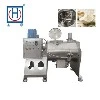
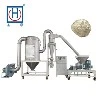
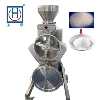
Our Fangyuan Machinery is a professional factory specializing in the production of powder equipment. If you need to crush matcha powder, you can choose our Fangyuan Machinery crushers. Matcha powder that can achieve 100-300 mesh.
To learn more about our Fangyuan products, please click this link :https://www.fine-mill.com/pin-mill/high-quality-matcha-powdermill.html.
Our WhatsApp:+86 15896498575
Our website: www.fine-mill.com
E-mail:info@cnfyjx.com