



Electric Sieve
Introduction
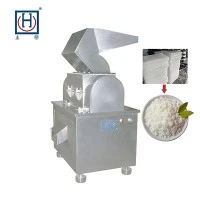
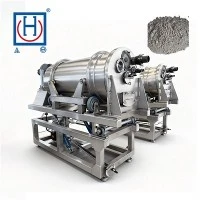
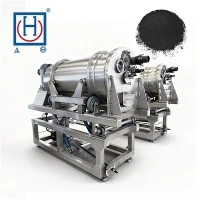
Electric sieve, also known as an electric vibrating sieve, is a modern and innovative type of sieve equipment that has revolutionized the process of material screening. It is an efficient and effective way to separate and sieve materials such as flour, sugar, salt, and other dry products.
The Electric sieve has several features that make it an attractive choice for industries such as food, pharmaceuticals, and chemical industries. One of the most significant advantages of electric sieve is the high accuracy of the sieving process. It delivers the precise size of the particles that are required for the product's quality and standard.
Electric sieve is user-friendly and easy to operate. It requires minimal training or expertise to operate it, making it a productive and efficient tool. The Electric sieve's automated process can sieve a large amount of material within a short period, making it a suitable option for industries with high production rates.
The Electric sieve is energy efficient as it uses minimal power to operate while providing high-quality results, which can help reduce energy costs for industries.
Furthermore, electric sieve is designed with high-quality materials that are durable and can withstand harsh industrial conditions, such as high temperatures, moisture, and corrosion. Its sturdy construction ensures that it can deliver consistent results for a more extended period, which makes it a cost-effective investment.

Application
Electric sieves have a wide range of applications across various industries due to their ability to efficiently separate particles of different sizes. Some common applications include:
Food Industry: Electric sieves are used in food processing for sifting flour, sugar, spices, and other ingredients to remove impurities, ensure uniform particle size, and improve product quality.
Pharmaceutical Industry: In pharmaceutical manufacturing, electric sieves are utilized for sieving and grading powdered medications, excipients, and granules to meet quality standards and ensure proper dosage consistency.
Chemical Engineering: Electric sieves play a crucial role in chemical processing for separating and classifying chemicals, catalysts, and powders during production and refinement processes.
Mining and Metallurgy: In the mining and metallurgical industries, electric sieves are employed for grading and separating ores, minerals, and metal powders based on size, ensuring high-quality final products and efficient material utilization.
Construction Materials: Electric sieves are used in the construction sector for sieving aggregates, sand, cement, and other materials to ensure uniformity and quality in building materials such as concrete and mortar.
Environmental Remediation: Electric sieves are utilized in environmental applications for separating and classifying soil, sediments, and other environmental samples during remediation and monitoring activities.
Plastics and Polymers: Electric sieves are employed in the plastics and polymer industries for grading and separating plastic pellets, powders, and granules based on size and quality requirements.
Agriculture and Horticulture: Electric sieves find applications in agriculture and horticulture for sorting and grading seeds, grains, fertilizers, and soil amendments, facilitating efficient planting and cultivation processes.
Powder Coating and Paints: In the manufacturing of powder coatings, paints, and pigments, electric sieves are used for sieving and grading powdered raw materials to achieve desired particle size distribution and color consistency.
Research and Development: Electric sieves are utilized in laboratories and research facilities for particle size analysis, material characterization, and quality control across various scientific disciplines.
These diverse applications h
Technical parameters
| Model | ZS-600 | ZS-800 | ZS-1000 | ZS-1200 | ZS-1500 |
| Capacity(kg/h) | 80-300 | 150-2000 | 200-2900 | 300-4500 | 500-5000 |
| Mesh | 12-200 | 12-200 | 12-200 | 12-200 | 12-200 |
| Power(kw) | 0.55 | 0.75 | 1.5 | 2.2 | 3 |
| Vibration Frequency(time/min) | 1500 | 1500 | 1500 | 1500 | 1500 |
| Overall Dimension(L*W*H)(mm) | 680*600*1100 | 1100*950*1150 | 1330*1100*1280 | 1380*1500*1320 | 1800*1800*1320 |
| Weight(kg) | 280 | 320 | 420 | 600 | 780 |
FAQ
1. Q:What are the applications of electric sieves?
A:Electric sieves are commonly used in various industries, including pharmaceuticals, food processing, chemical engineering, and mining. They are used for grading, sizing, and separating particles in powdered, granular, or liquid materials.
2. Q : How do I choose the right electric sieve for my application?
A:When selecting an electric sieve, consider factors such as the particle size range you need to separate, the capacity required, the material of construction (e.g., stainless steel for food-grade applications), and any specific features or accessories needed for your process.
3. Q : How do I maintain an electric sieve?
A:Regular maintenance is essential to ensure the optimal performance and longevity of an electric sieve. This may include cleaning the sieve mesh, checking for wear or damage, lubricating moving parts, and inspecting the motor and electrical components for any issues.
Hot Tags: electric sieve, China electric sieve manufacturers, suppliers, factory, Classifier Machine, Food Powder Continuous Sieve, Flour Sifter Sieving Machine, Powder Sieving Machine, Industrial Flour Sifter, ZS Vibration Screener
Previous
Zs515 Vibrating ScreenYou Might Also Like


Send Inquiry