



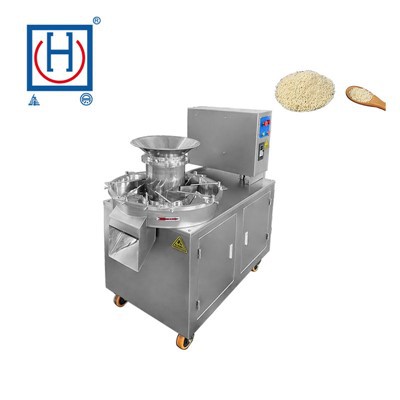
Wet Powder Granulator
introduction:
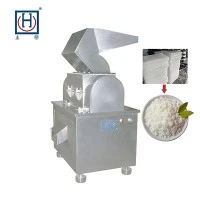
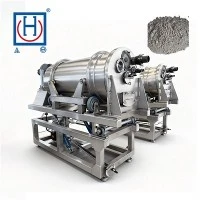
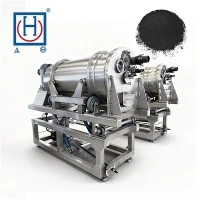
The wet powder granulator is mostly used in the wet granulation process, which involves adding a liquid binder to tiny powders to get them to aggregate into bigger, homogeneous granules. This procedure enhances the powders' homogeneity, flow characteristics, and compressibility, which makes them better suited for later processing stages like packing, tableting, and capsule filling.

Working principle:
The granulator's mixing chamber receives the dry powder mixture initially. The powder combination is mixed with a liquid binder to encourage particle agglomeration. The "glue"-like properties of adhesives allow small particles cling to one another to generate larger ones. The granulator's particular design will determine whether the liquid glue is applied constantly or sporadically. To guarantee a uniform and regulated dispersion throughout the powder mixture, the glue is often applied using a nozzle or liquid spray system in wet powder granulators. The impeller or paddle in the pelletizer chamber starts to mix and swirl the powder and binder mixture as soon as the binder is added.To guarantee that the powder particles come into contact with the liquid glue and create a wet aggregate, the impeller or paddle rotates at a high or medium speed. In order to promote rapid particle formation, high shear mixing uses powerful mechanical forces to break up the aggregates and push the glue into finer powder particles.
Working Principle Diagram (Simplified):
+---------------------+ +--------------------+ +------------------+
| Powder Feeder | --> | Powder + Binder | --> | Granules |
| (Dry Powder Mix) | | (Mixing Chamber) | | (Wet Granules) |
+---------------------+ +--------------------+ +------------------+
↑ ↓
| Drying System
| (Fluidized bed dryer)
| (Moisture Removal)
↓
+-----------------------+
| Dried Granules |
+-----------------------+


Company Information:

technical parameters:
|
Capacity(L) |
50 |
100 |
150 |
200 |
250 |
300 |
400 |
600 |
800 |
|
Output(kg/batch) |
15 |
35 |
50 |
70 |
85 |
100 |
130 |
200 |
260 |
|
Admix speed(rpm) |
0-400 |
0-400 |
0-270 |
0-270 |
0-250 |
0-230 |
0-190 |
0-170 |
0-120 |
|
Admix power(kw) |
5.5 |
7.5 |
11 |
15 |
18.5 |
22 |
30 |
37 |
45 |
|
Incise speed(rpm) |
0-2900 |
0-2900 |
0-2900 |
0-2900 |
0-2900 |
0-2900 |
0-2900 |
0-2900 |
0-2900 |
|
Incise power |
2.2 |
3 |
4 |
5.5 |
5.5 |
7.5 |
11 |
11 |
15 |
FAQ
1. Q: What are the key factors affecting the granulation process?
A: The key factors affecting the granulation process include adhesive type and concentration, powder properties, mixing time and speed, moisture content, and so on.
2. Q: What are the main types of wet powder granulators?
A: The main types of wet powder granulators include high shear granulators, fluidized bed granulators, and low shear granulators.
3. Q: What is the role of the drying process in wet granulation?
A: After the granulation process, wet particles contain a large amount of moisture that must be removed to make them suitable for further processing. This is usually accomplished using drying methods such as fluidized bed drying and hot air circulating ovens.
Hot Tags: wet powder granulator, China wet powder granulator manufacturers, suppliers, factory, Lotus Root Powder Granule Granulator, Motherwort Granule Rotary Granulator, Paraffin Wax Granulator Machine, Toner Granule Rotary Granulator, Wet Powder Granulator, Double Roller Granulator
You Might Also Like


Send Inquiry