**Introduction
When it comes to cooking and baking, sifting plays an important role in many recipes. It helps to aerate and remove any lumps or impurities from dry ingredients such as flour, cocoa powder, sugar, and baking powder. Sifters are used to accomplish this task, and there are several different types of sifters available on the market. In this article, we will explore the different types of sifters and how to choose the right one for your needs.
**Handheld Sifters
Handheld sifters are the most basic type of sifter and are typically used for small jobs such as sifting flour for a single batch of cookies. These sifters are small enough to fit in your hand and are operated by squeezing a handle or turning a crank.
There are two main types of handheld sifters - rotary sifters and squeeze sifters. Rotary sifters work by turning the crank handle, which rotates a cylindrical mesh screen. As the dry ingredients are poured into the top of the sifter, they are pushed through the mesh screen and sifted into the bowl below.
Squeeze sifters, on the other hand, are operated by squeezing the handle or handles together. This forces the dry ingredients through the mesh screen and into the bowl below. Squeeze sifters are generally considered easier to use than rotary sifters, as they require less effort to operate.
**Flour Sifters
Flour sifters are a type of handheld sifter that is designed specifically for sifting flour. They are typically larger than other handheld sifters and have a capacity of up to 8 cups of flour. They are also equipped with a fine mesh screen that is perfectly sized for sifting flour.
Flour sifters can be operated with a crank or squeeze handle. Some models also come with a lid or cover, which allows you to store your flour in the sifter without making a mess.
**Mechanical Sifters
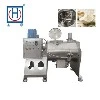
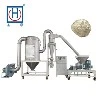
Mechanical sifters are larger and more powerful than handheld sifters. They are typically used in commercial kitchens and bakeries to sift large quantities of dry ingredients quickly and efficiently.
Mechanical sifters can be operated by hand, electricity, or compressed air. They work by using a motor to rotate a screen or agitator, which sifts the dry ingredients and separates any impurities.
There are two main types of mechanical sifters - rotary sifters and vibratory sifters. Rotary sifters work in a similar way to rotary handheld sifters, rotating a cylindrical screen to sift the dry ingredients. Vibratory sifters, on the other hand, use vibration to separate the dry ingredients, and are considered more efficient for sifting fine powders.
**Manual Flour Mills
Manual flour mills are another type of mechanical sifter that is used to grind grains into flour. They are commonly used in home kitchens and provide a way to make fresh flour from grains such as wheat, corn, and rice.
Manual flour mills typically consist of two grinding stones or burrs that are operated by turning a crank. As the grain is fed into the mill, it is ground between the two stones and sifted through a mesh screen. This process produces a flour that is finer and fresher than store-bought flour.
**Electric Flour Mills
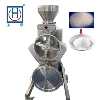
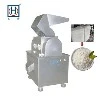
Electric flour mills are a more convenient and efficient alternative to manual flour mills. They work in a similar manner, using two grinding stones or burrs to grind the grain into flour. However, instead of turning a crank, the stones are powered by an electric motor.
Electric flour mills also typically come with a sifting mechanism, which separates the flour from any impurities or debris. This saves time and effort compared to manually sifting the flour.
**Conclusion
Sifters are an important tool for any baker or cook, regardless of skill level. From handheld sifters for small jobs to commercial-grade mechanical sifters, there are a variety of sifters available to suit any need.
When choosing a sifter, consider the types of ingredients you will be sifting, the amount you will be sifting at once, and the ease of use and maintenance. By selecting the right sifter, you can ensure that your dry ingredients are properly aerated and free of lumps and impurities, leading to better quality baked goods and dishes.